
Ukraine, diaspora
Day of Dignity and Freedom 2026: Why Ukraine Remembers November 21
Holiday date
21 November 2026
Ukraine’s Day of Dignity and Freedom falls on Saturday, November 21, 2026. It honours the democratic aspirations associated with the Orange Revolution of 2004 and the Revolution of Dignity of 2013–2014. November 21 marks the beginning of the Euromaidan protests in 2013.
Calendar-day reference only; local programmes have their own times.
Holiday countdown
11 days left
until Day of Dignity and Freedom
Calendar days, not a countdown to a particular hour.
Swipe or scroll horizontally to compare all columns.
| Quick fact | Detail |
|---|---|
| Ukrainian name | День Гідності та Свободи |
| Date | November 21, 2026 |
| Country | Ukraine; also remembered by Ukrainian communities abroad |
| Established | Presidential decree in 2014 |
| Focus | Dignity, democratic freedoms and remembrance |
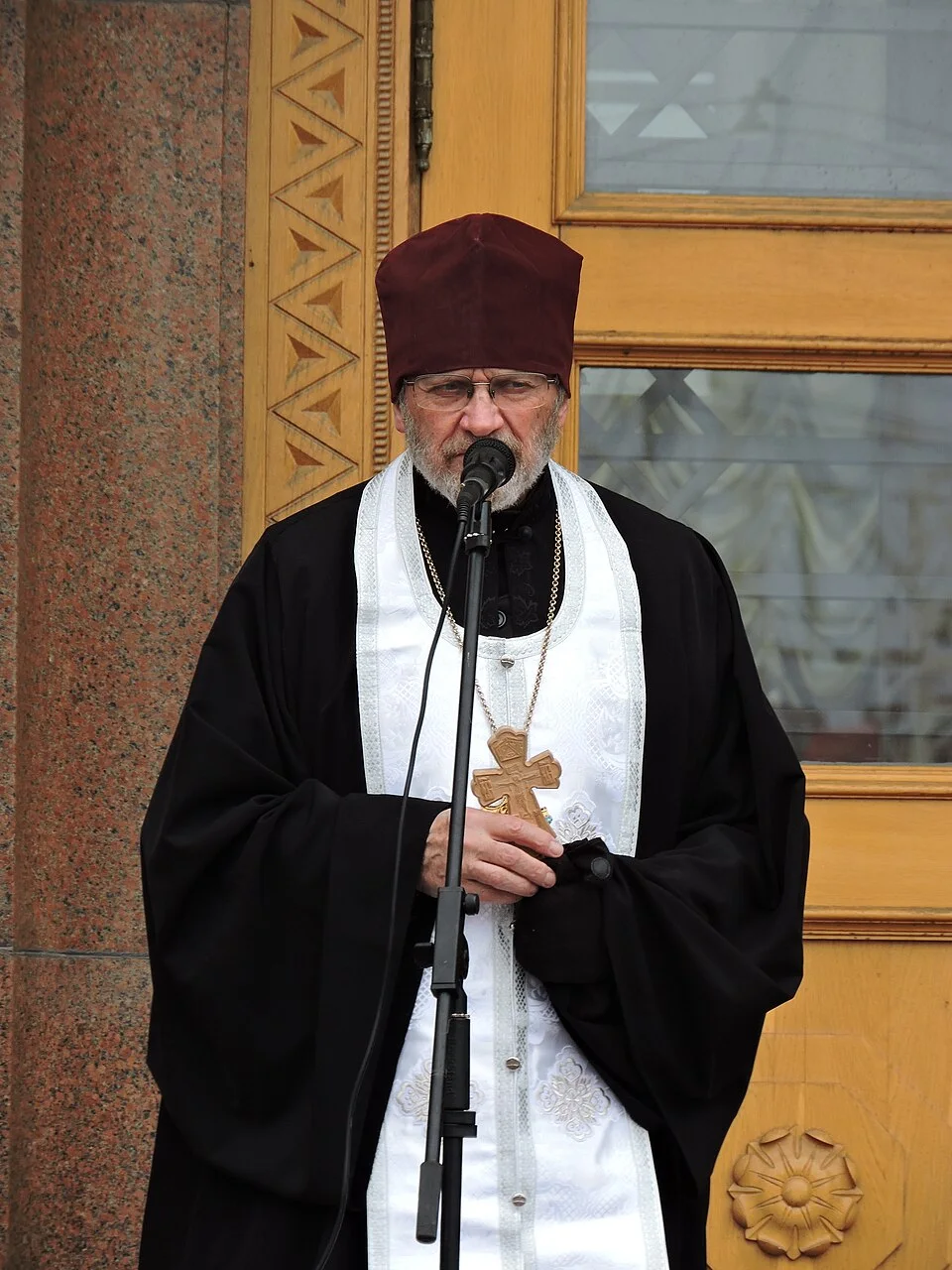
Two revolutions, one commemorative date
The day connects two periods of civic mobilisation. The Orange Revolution belongs to 2004; the Revolution of Dignity belongs to late 2013 and early 2014. They are related in the commemoration but should not be described as one continuous event.
Presidential Decree 872/2014, signed on November 13, 2014, established the annual observance. Its stated purpose includes preserving knowledge of these events and honouring people who defended democratic values, human rights, national interests and Ukraine’s European choice.
That wording makes the occasion more specific than a general national celebration. The subject is the role of citizens in defending the kind of society they wanted to live in, and the cost borne by people involved in those struggles.
The Orange Revolution arose around the disputed 2004 presidential election. The OSCE election mission’s record documents serious shortcomings in the initial rounds and a court-ordered repeat of the second round on December 26. This electoral context distinguishes the 2004 movement from the events that began nine years later.
Why the date is November 21
The National Museum of the Revolution of Dignity records the first gathering on Kyiv’s Independence Square on November 21, 2013, in response to the authorities’ decision not to proceed with the anticipated association agreement with the European Union.
The name Euromaidan reflected that initial European-integration focus. After police violence against protesters on November 30, the movement widened into a struggle over state power, rights and accountability. The museum explains how this broader struggle became known as the Revolution of Dignity.
November 21 therefore marks a beginning. It is not the date on which the entire revolution happened, nor the date of all the deaths remembered in its history.
A short timeline for readers
Swipe or scroll horizontally to compare all columns.
| Period or date | Place in the story |
|---|---|
| Autumn 2004 | The Orange Revolution, one of the two movements named in the commemorative decree |
| November 21, 2013 | The beginning of the Euromaidan gatherings in Kyiv |
| November 30, 2013 | Police violence against protesters; the movement subsequently widened |
| Winter 2013–2014 | The Revolution of Dignity developed beyond its initial protest |
| November 13, 2014 | The annual Day of Dignity and Freedom was established |
The two movements are nine years apart: the Orange Revolution concerns the 2004 election, while Euromaidan began in November 2013 and developed into the Revolution of Dignity. That distinction is the starting point for understanding the commemorative date.
How to approach a commemoration
A thoughtful visit or classroom discussion can begin with an object, a photograph or a recorded testimony from a museum collection. Identify its date and creator, then ask what it reveals about the people involved. Separate what the source directly shows from the interpretation you bring to it.
For example, a photograph may establish that people gathered in a particular place. By itself, it does not explain every participant’s motivation or the decisions made elsewhere that day. Pairing it with a museum account helps build a more complete explanation.
The Maidan Museum’s overview of the movement and its memorial work offers a starting point for further reading. Use named sources rather than unattributed social-media compilations, especially when discussing people who were killed or injured.
Is November 21 automatically a day off?
The decree establishes a commemorative day; it does not by itself provide a universal closure schedule. In 2026 the date falls on a Saturday, but that does not tell you whether a particular museum, school, office or business is operating.
Check the relevant institution’s own announcement. For an in-person gathering, use current local guidance and the organiser’s latest location and access information. This article does not announce a confirmed 2026 programme or encourage travel to a particular event.
Remembering from outside Ukraine
Readers abroad can learn the names and sequence of the two revolutions, explore museum material and attend a community event if its organisers welcome visitors. Keep the distinction between history, personal testimony and present-day commentary clear.
A useful discussion question is: how can a community preserve testimony while allowing later generations to examine evidence critically? That question keeps the focus on memory and civic responsibility without turning a commemorative occasion into a set of slogans.
The date also appears in the November calendar, alongside other observances with their own histories and meanings.
Sources
Check the original sources for local arrangements and current guidance. External sources open in a new tab.
Plan around this date
See the day’s calendar · Browse this month · Day of Dignity and Freedom countdown
More to explore

New Year’s Day Beyond Midnight
New Year’s Day is January 1, but celebrations extend beyond the countdown. Selected Spanish, Scottish and Japanese customs carry the occasion from evening gatherings to sunrise and the first days of the year.
Mexico Revolution Day 2026: November 16 Holiday and November 20 Anniversary
Mexico Revolution Day’s 2026 rest day is November 16; the anniversary is November 20. Compare the dates and plan around local opening schedules.
Black Awareness Day 2026: November 20, Zumbi and Brazil’s National Holiday
Black Awareness Day is November 20, 2026. Learn why Brazil honours Zumbi, when it became a national holiday and how to read local event listings.
Image descriptions and credits are provided in the articles. AI illustrations are labelled.