
Global
World Day of Remembrance for Road Traffic Victims 2026
Holiday date
15 November 2026; third Sunday of November
The World Day of Remembrance for Road Traffic Victims falls on Sunday, November 15, 2026. Observed on the third Sunday of November, it remembers people killed or seriously injured on the roads and recognises the lasting effects on their families and communities.
Neutral date counter only; no confetti, celebratory message or midnight event-time claim.
Holiday countdown
5 days left
until World Day of Remembrance for Road Traffic Victims
Calendar days, not a countdown to a particular hour.
Swipe or scroll horizontally to compare all columns.
| Calendar fact | Detail |
|---|---|
| Date in 2026 | Sunday, November 15 |
| Annual rule | Third Sunday of November |
| Character | Remembrance, support and prevention |
| Campaign framework | Remember. Support. Act. |
The first three Sundays of November 2026 are the 1st, 8th and 15th. WHO states the third-Sunday calendar rule; the campaign’s purpose is explained by the World Day of Remembrance organizers.
What the day means
The observance makes room for grief, recognition and action. Remembering those affected, acknowledging emergency services and supporting prevention are related purposes, but they are not interchangeable. A family attending a memorial should not have to endorse a particular policy proposal to have its loss acknowledged.
“Remember. Support. Act.” is the campaign’s framework. In a local programme, remembrance might take the form of silence or a memorial display; support can mean a clear route to an appropriate service; action can involve a specific road-safety concern. There is no single required ceremony for every community.
How the observance developed
WHO traces its origins to RoadPeace in 1993 and records United Nations endorsement in 2005. The distinction matters: the day began as a civil-society initiative before receiving international recognition. WHO background.
Its international reach does not establish the time or format of a gathering in your town. A vigil, a service and a public discussion may all be advertised for the same weekend. Read the local notice to understand what attendance involves.
What remembrance looks like
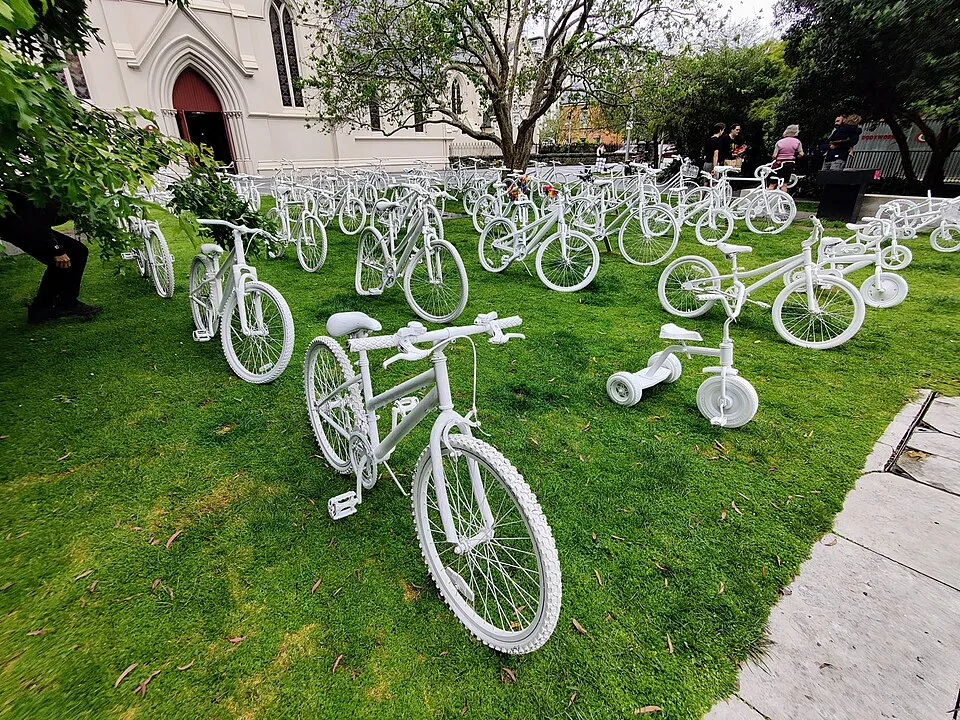
In Auckland, an installation of 59 white ghost bikes at St Patrick’s Square marked the observance in 2024. The bicycles turn a familiar everyday object into a memorial: their repeated white forms make absence visible without showing a crash. Photograph and event description.
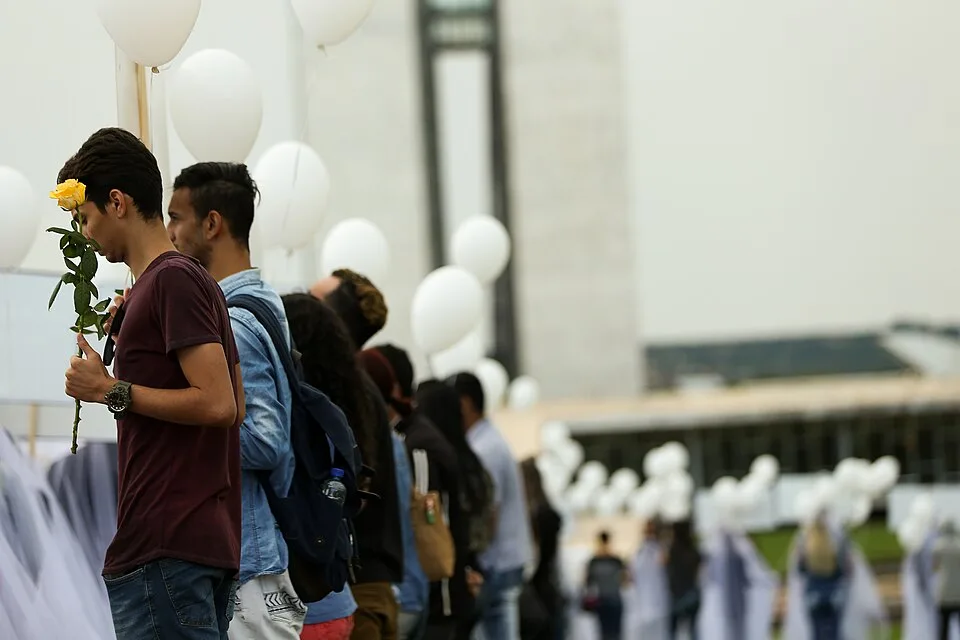
Another documented example comes from Brasília. In 2017, a remembrance action outside Brazil’s National Congress included participants holding flowers and white balloons. The photograph’s original credit identifies the event and its location; it does not tell us each participant’s personal relationship to a victim. Agência Brasil photograph and caption.
These are historical examples, not advertised events for 2026. They show two different forms of remembrance: a public installation and people coming together in a ceremony.
Attending or arranging a gathering
Before attending, check the format, duration and access. If you are accompanying someone, ask what they would find helpful. They may want to stay for the whole programme, leave early or participate without speaking.
For organizers, a short outline is more useful than an elaborate programme that leaves participants uncertain:
Swipe or scroll horizontally to compare all columns.
| Decision | Considerate approach |
|---|---|
| Names and photographs | Agree each use with the people concerned |
| Speaking | Allow participants to pass |
| Attendance | Explain access, seating and how to leave quietly |
| Photography | State the arrangements before the event |
| Support | Offer a private contact rather than requesting public disclosures |
A quiet moment should be announced rather than sprung on the audience. Keep speeches focused and do not ask people to describe traumatic experiences simply because they are present.
Connecting memory with prevention
A community discussion can identify a particular road concern and ask the responsible authority how it is assessed. For example, a group might document questions about a crossing and request information about the review process. Describe the location and issue clearly; do not present an unassessed design change as a proven solution.
Practical action can sit alongside remembrance without becoming a condition of participation. Some people want to campaign; others want a private space for grief.
Is this the same as Remembrance Sunday?
No. The road-victims observance uses the third Sunday of November and has a different purpose from the UK occasion commonly called Remembrance Sunday. Use the full name in an invitation so people know which day you mean.
Can I mark it privately?
Yes. A public event, photograph or social post is not required. You can choose a quiet moment or simply make space for your feelings without explaining that choice to others.
See the November 15 calendar for the date’s other observances.
Sources
Check the original sources for local arrangements and current guidance. External sources open in a new tab.
Plan around this date
See the day’s calendar · Browse this month · World Day of Remembrance for Road Traffic Victims countdown
More to explore

New Year’s Day Beyond Midnight
New Year’s Day is January 1, but celebrations extend beyond the countdown. Selected Spanish, Scottish and Japanese customs carry the occasion from evening gatherings to sunrise and the first days of the year.
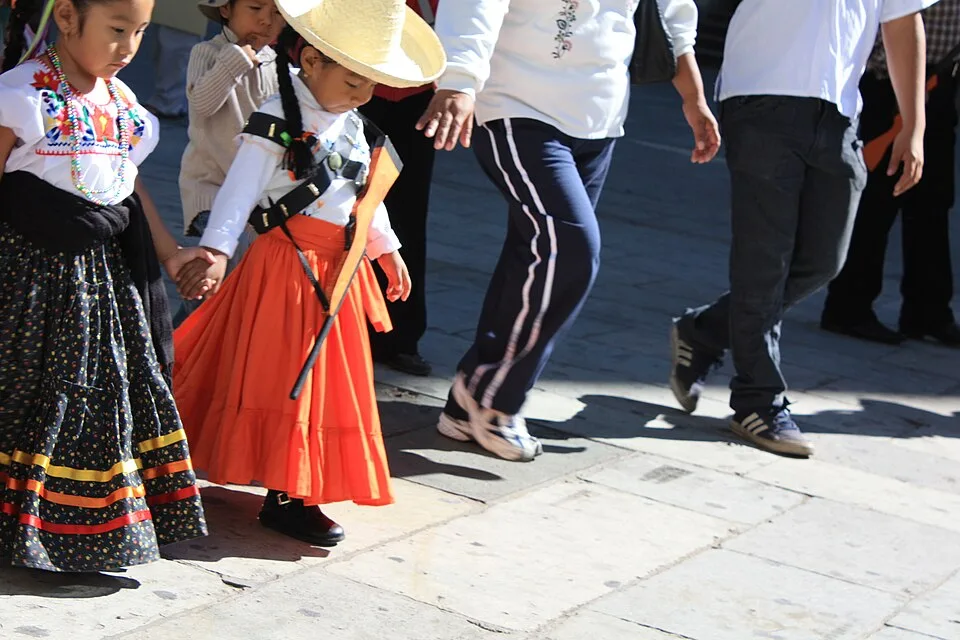
Mexico Revolution Day 2026: November 16 Holiday and November 20 Anniversary
Mexico Revolution Day’s 2026 rest day is November 16; the anniversary is November 20. Compare the dates and plan around local opening schedules.
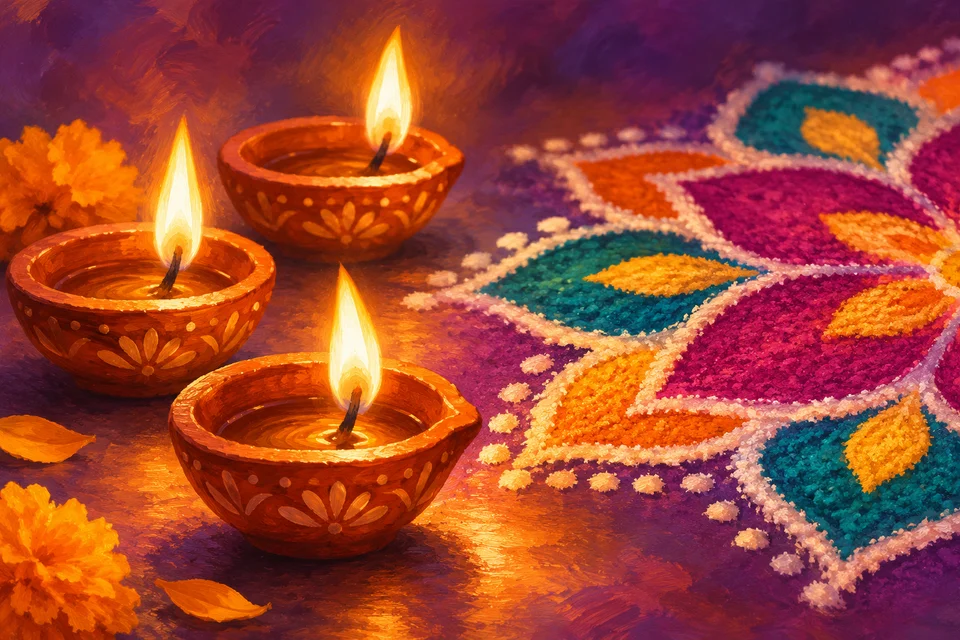
Diwali 2026
When is Diwali in 2026? Check the November 8 date, understand Deepavali and local holiday differences, and learn how to join a celebration respectfully.
Image descriptions and credits are provided in the articles. AI illustrations are labelled.