
Global
World Prematurity Day 2026: November 15, Purple Lights and the Sock Line
Holiday date
15 November 2026 on the WHO calendar
World Prematurity Day is Sunday, November 15, 2026, on the World Health Organization’s calendar. Older calendars often show November 17, the traditional date. The day raises awareness of preterm birth and the care and support needed by babies and their families.
Use WHO’s November 15 date; a local organizer may schedule its own event on another day.
Holiday countdown
5 days left
until World Prematurity Day
Calendar days, not a countdown to a particular hour.
Swipe or scroll horizontally to compare all columns.
| Calendar detail | What it means |
|---|---|
| WHO date in 2026 | Sunday, November 15 |
| Traditional date | November 17 |
| Recognisable symbols | Purple and a line of socks with one small baby sock |
| Local events | Check the current organizer’s notice |
WHO explains the calendar change on its campaign page.
Why do calendars show two dates?
The World Health Assembly added the observance to WHO’s official calendar in 2025. WHO acknowledges its traditional November 17 date and explains the move to November 15 to avoid overlap with other mandated world days.
This change does not determine the schedule of every hospital or parent organization. An older photograph with a November 17 banner can accurately document a past event; it should not be used as proof of the 2026 calendar date. For a current gathering, check the organizer, year and actual meeting date together.
What does preterm birth mean?
WHO defines preterm birth as birth before 37 completed weeks of pregnancy. It is a timing definition, not a prediction of any individual child’s development. Families’ experiences and babies’ needs vary. WHO: preterm birth.
The awareness day connects care for babies with support for the people looking after them. That can include helping families understand services, making space for parents’ experiences and improving access to appropriate care. A campaign resource can explain the issue; questions about a particular baby belong with the qualified care team.
How the day began
WHO traces the initiative to the European Foundation for the Care of Newborn Infants and parent organizations in 2008. It developed into an international movement involving events, advocacy and awareness campaigns. WHO’s background.
That parent-led origin helps explain why the occasion is more than a medical conference. A family gathering, a public display and a professional discussion can all serve different parts of its purpose. They need not look alike to belong to the same observance.
Why purple, and what does the sock line mean?
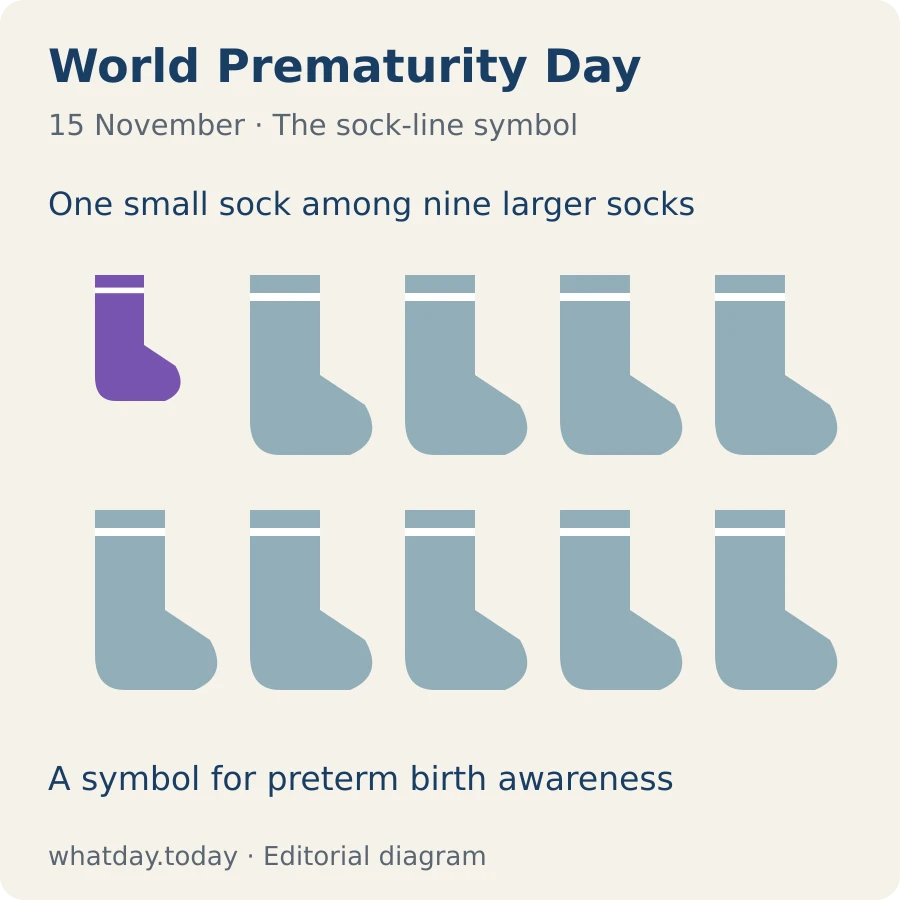
WHO’s 2026 participation guide recommends purple clothing or campaign visuals and lighting buildings in purple. It also describes a line with one small purple baby sock among nine full-sized socks, representing the campaign message that around one in ten babies is born prematurely. WHO: how to get involved in 2026.
The contrast in sock sizes makes the symbol understandable at a glance. A useful display explains that meaning beside the socks instead of leaving viewers to guess. Purple lighting works similarly: a caption or sign connects a recognisable colour with the reason for illuminating a particular building.
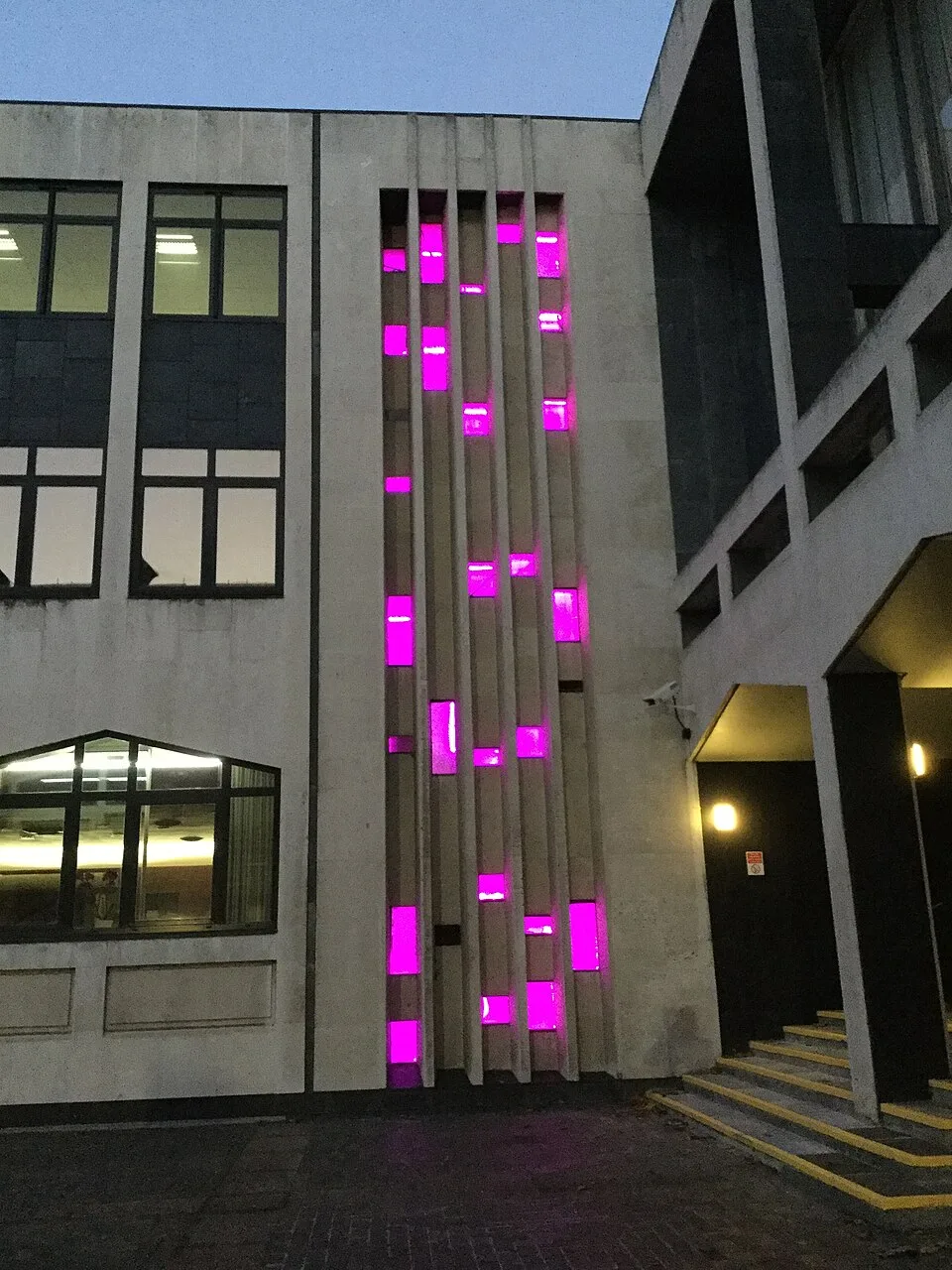
An archival photograph of Southend Civic Centre shows one real example from 2016. It illustrates a way of marking the occasion, not an announcement that the same building has confirmed a 2026 event.
Three ways to take part
Make an explanatory display
Use the sock-line idea with a short explanation of the date and campaign. Keep the source visible. If the display is in a school or workplace, give people a link to the current WHO information rather than reproducing medical advice from social posts.
Support a family with a specific task
Offer an errand, groceries or another practical task that is easy to accept or decline. Ask what would help before acting. Support does not require the family to share photographs or tell its story publicly.
Attend a parent-group or professional event
Look for an organizer’s current notice describing the audience, format and participation arrangements. A discussion for families and a technical session for clinicians serve different needs. Choose the one relevant to you, and check whether attending quietly is possible.
Should every November 17 listing be corrected?
No. Distinguish a claim about WHO’s annual date from a local event scheduled for another day. A group may meet on November 17 while acknowledging the November 15 observance. The invitation should make the distinction clear.
For other observances on the date, visit the November 15 calendar.
Sources
Check the original sources for local arrangements and current guidance. External sources open in a new tab.
Plan around this date
See the day’s calendar · Browse this month · World Prematurity Day countdown
More to explore

New Year’s Day Beyond Midnight
New Year’s Day is January 1, but celebrations extend beyond the countdown. Selected Spanish, Scottish and Japanese customs carry the occasion from evening gatherings to sunrise and the first days of the year.
Mexico Revolution Day 2026: November 16 Holiday and November 20 Anniversary
Mexico Revolution Day’s 2026 rest day is November 16; the anniversary is November 20. Compare the dates and plan around local opening schedules.
Diwali 2026
When is Diwali in 2026? Check the November 8 date, understand Deepavali and local holiday differences, and learn how to join a celebration respectfully.
Image descriptions and credits are provided in the articles. AI illustrations are labelled.